
Shaping Distinct Brand Identities with Clarity and Meaning

Visual Expression of Brand Identity
Brand identity is the visual representation of a brand’s essence. It shapes how audiences first perceive, recognize, and emotionally respond to a brand across platforms, environments, and experiences, forming the foundation of lasting brand recall and recognition.

Core Elements of the Visual System
A comprehensive visual system includes logos, colour palettes, typography, imagery, layouts, and graphic patterns. Together, these elements create a unified design language that ensures the brand appears consistent, professional, and instantly identifiable across every customer touchpoint.

Translating Brand Values Visually
An effective brand identity transforms a brand’s purpose, personality, and values into a clear visual language. Through thoughtful design choices, the visual system communicates meaning beyond words, allowing audiences to intuitively understand what the brand stands for.

Consistency Across All Touchpoints
Consistency in visual identity builds trust and credibility. Whether experienced through digital platforms, marketing collateral, packaging, or physical spaces, a cohesive visual system ensures the brand feels familiar, reliable, and aligned, regardless of where or how audiences interact with it.

Supporting Strategic Brand Communication
Beyond aesthetics, a visual identity acts as a strategic framework that guides communication. It ensures clarity and alignment across marketing campaigns, websites, social media, presentations, and internal materials, helping brands communicate messages effectively and confidently.

Differentiation in Competitive Markets
A well-designed visual system helps brands stand apart in crowded and competitive markets. Clear visual differentiation, combined with consistency and relevance, strengthens brand positioning, enhances memorability, and creates a distinct presence that audiences can easily recognize and recall.

Building Emotional Connection and Recall
Strong brand identity fosters emotional associations over time. Repeated exposure to consistent visuals builds familiarity, reinforces brand values, and creates emotional connections that influence perception, preference, and loyalty—turning recognition into long-term brand relationships.

A Long-Term Brand Asset
A cohesive visual identity is a strategic investment, not a one-time design exercise. When designed with longevity in mind, it evolves with the brand, supports growth, and becomes a powerful asset that strengthens brand equity and long-term market relevance.
Logo Design & Logo Systems
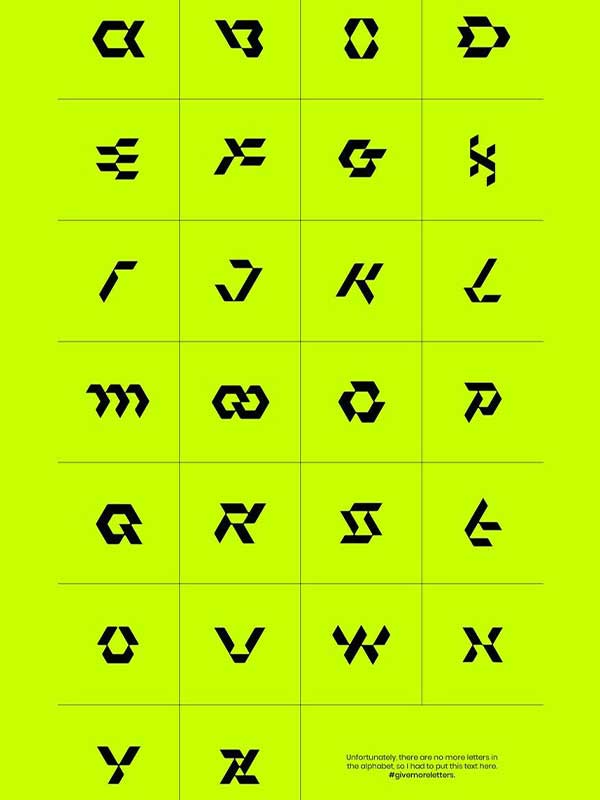
Logo design is the foundation of a brand’s visual identity and serves as its most recognizable symbol. A strong logo communicates the brand’s personality, values, and positioning at a glance. Logo systems include multiple logo variations such as primary, secondary, icon, and monochrome versions to ensure flexibility across platforms. A well-designed logo system maintains consistency while adapting to different sizes, formats, and applications. This consistency strengthens brand recognition, builds trust, and ensures the brand remains visually impactful across digital, print, and physical touchpoints
Color Palette
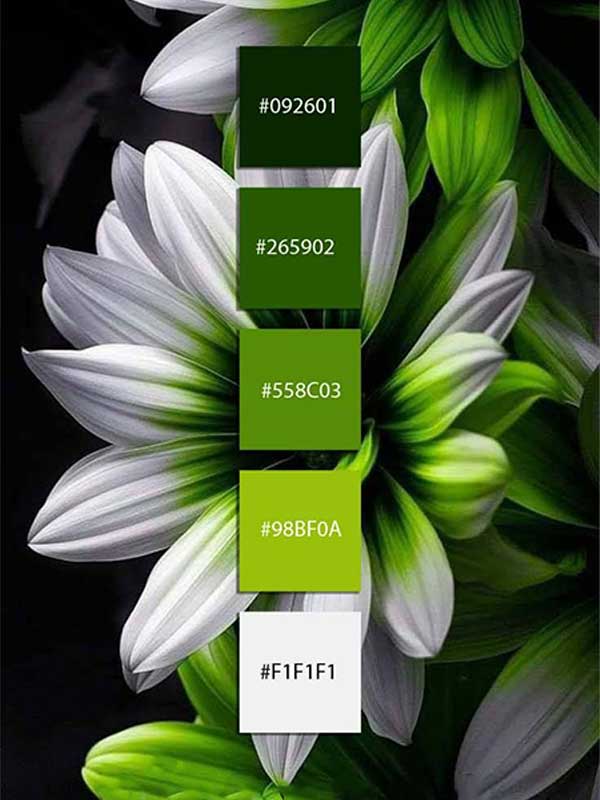
Color palette and typography play a vital role in shaping brand perception and emotional connection. Colors influence mood, recognition, and brand recall, while typography reflects tone, professionalism, and personality. A well-defined color palette ensures visual consistency across all platforms, while typography establishes hierarchy and readability. Together, they create a cohesive brand experience that feels intentional and trustworthy. Consistent use of colors and fonts strengthens brand identity, improves user experience, and helps the brand stand out in competitive markets.
Typography
Typography is more than the selection of fonts—it is a strategic design language that defines hierarchy, communicates credibility, and elevates brand presence. At Unikon Infotech, typography is treated as a core brand asset, carefully engineered to deliver clarity, sophistication, and performance across digital experiences.


Visual Language & Iconography
Visual language defines the overall style and look of a brand through imagery, illustrations, icons, and graphic elements. Iconography simplifies communication by conveying ideas quickly and visually. A consistent visual language ensures that all brand assets feel connected and recognizable. Well-designed icons and visuals improve usability, clarity, and engagement, especially in digital interfaces. This consistency enhances brand professionalism, improves customer understanding, and creates a unified visual experience across all brand touchpoints.
Brand Patterns & Layouts
Brand patterns and layouts provide structure and consistency to visual communication. Patterns act as repeatable design elements that reinforce brand identity, while layouts define how content is arranged across platforms. Consistent layouts improve readability, usability, and visual flow. They help customers instantly recognize the brand regardless of medium. Strong patterns and layouts create a professional and cohesive appearance, ensuring that every design feels aligned, balanced, and visually appealing across marketing and digital channels.

Brand Guidelines / Brand Book
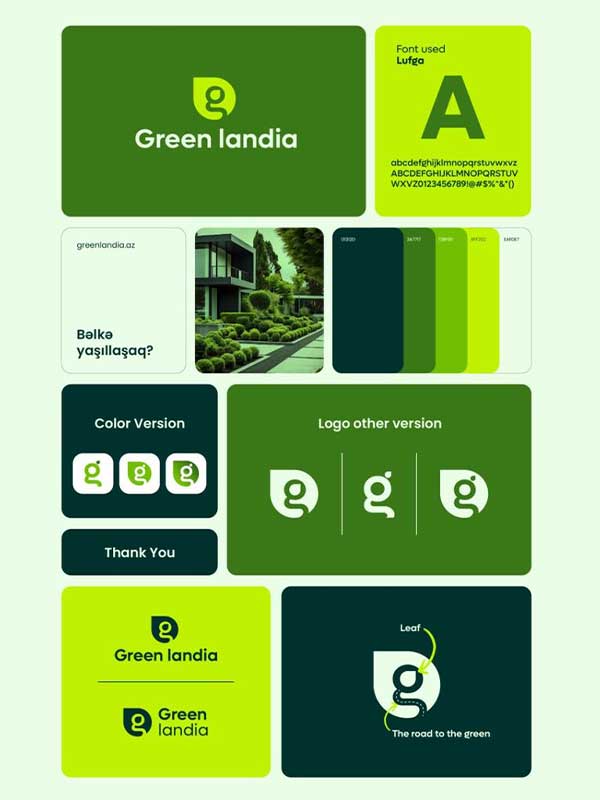
Brand guidelines, often called a brand book, document how a brand’s visual and verbal identity should be used. They include rules for logo usage, colors, typography, imagery, tone of voice, and layouts. Clear guidelines ensure consistency across teams, partners, and platforms. They protect brand integrity, reduce misuse, and maintain quality. A strong brand book enables scalable growth while keeping the brand identity consistent, recognizable, and professional over time.
Rebranding & Brand Refresh
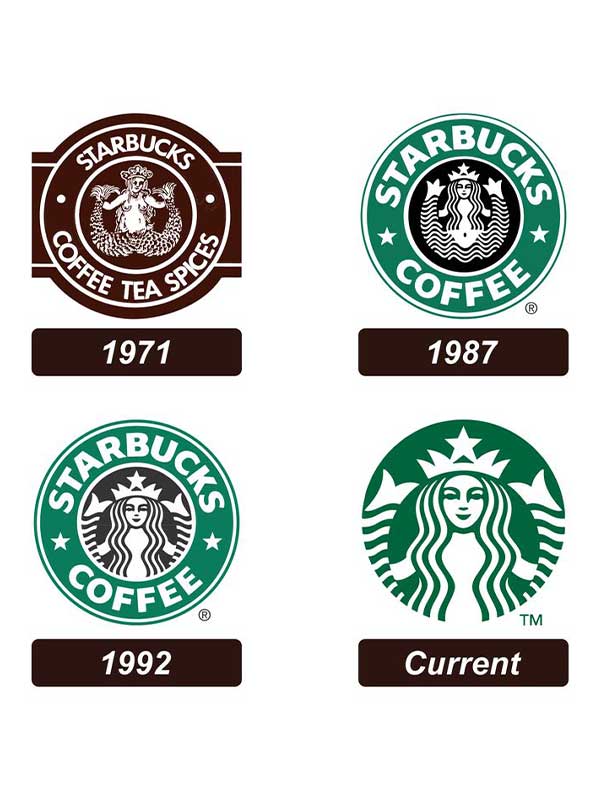
Rebranding and brand refresh involve updating a brand’s visual identity to stay relevant while maintaining its core essence. A brand refresh includes subtle updates to colors, typography, or layouts, while rebranding may involve a complete transformation. These processes help brands adapt to changing markets, customer expectations, or business goals. When done strategically, rebranding strengthens relevance, improves perception, and reconnects the brand with modern audiences without losing trust or recognition.

 +91 9890181399