
Building Brands with Clarity, Character, and Continuity
Branding is the process of shaping how people perceive a business through design, messaging, and experience. Strong branding builds trust, recognition, and emotional connection with the audience.
By using practical branding ideas, businesses can create a consistent identity that reflects their values and purpose. Effective branding focuses on understanding customer needs, telling authentic stories, and delivering memorable experiences. In a competitive digital world, well-defined branding helps businesses stand out, remain relevant, and create long-term loyalty that drives sustainable growth.
Understanding the Basics of Branding
Understanding the basics of branding starts with knowing how a brand creates meaning and emotional connection. Branding is not just visuals; it is the experience, voice, and values a business consistently delivers.
By applying practical branding ideas, brands can clearly define their purpose, connect with the right audience, and build trust. Strong foundational branding helps businesses stay memorable, relevant, and competitive in a constantly evolving market.
Prithvi — The Foundation of Brand Identity
Prithvi (Earth) represents the foundation upon which all growth begins and sustains itself. Just as the Earth provides strength, balance, and unwavering support, this branding philosophy is centered on building strong, authentic brand identities from the ground up.
Prithvi symbolizes stability, trust, and a long-term vision. It reflects a belief that enduring brands are rooted in clarity, consistency, and genuine human values. By focusing on thoughtful strategy and grounded expression, brands are shaped to grow naturally, remain resilient, and maintain relevance over time.
Why is Branding Important Nowadays?
Branding is important nowadays because customers choose brands they trust and emotionally connect with. In a crowded digital marketplace, branding helps businesses stand out, communicate value, and remain memorable.
By using practical branding ideas, companies can build credibility, consistency, and long-term loyalty. Strong branding also supports better customer engagement, brand recognition, and sustainable growth in an ever-changing, highly competitive business environment.

Branding Insights Across Different Companies
Branding insights from successful companies show that strong brands focus on experience and emotion. Apple builds loyalty through simplicity and innovation, while Nike connects deeply by promoting purpose and motivation.
Brands like Zomato use relatable storytelling to stay memorable in digital spaces. By applying practical branding ideas, companies align their values with customer expectations, creating trust, consistency, and long-term brand recognition in competitive markets.
Understanding a Brand’s Purpose
Understanding a brand’s purpose means knowing why a brand exists beyond selling products. A clear purpose guides decisions, shapes storytelling, and builds emotional connections with customers. Brands with purpose feel authentic and trustworthy because they stand for something meaningful.
By applying practical branding ideas, businesses can align their values with customer expectations, create consistent experiences, and inspire loyalty. Purpose-driven branding helps brands stay relevant, human, and memorable in today’s competitive marketplace.

Iconic Brand Strategies
Iconic brand strategies succeed by creating meaningful and consistent brand experiences. Amazon focuses on customer obsession to build unmatched trust and convenience, while Tesla positions itself as an innovator driving sustainability and future mobility. Starbucks uses personalization and community to strengthen emotional connections.
By applying practical branding ideas, these brands turn purpose and experience into long-term loyalty, making them recognizable, trusted, and influential across global markets.
In-Depth Case Studies on Iconic Brand Strategies
Iconic brands succeed because they go beyond products and build meaning. They focus on emotional connection, consistent experiences, and clear brand purpose. Companies like Amul, IKEA, Nokia, Coca-Cola, Nike, and Zomato are powerful examples of how practical branding ideas can shape perception, trust, and long-term loyalty. These detailed case studies explore how each brand crafted strategies that made them memorable and influential.
Amul: Cultural Relevance and Consistency Over Decades
Amul’s branding strategy is one of the strongest examples of long-term consistency in India. The brand built trust by positioning itself as affordable, honest, and farmer-focused. What truly sets Amul apart is its topical advertising strategy. Through the iconic Amul Girl, the brand comments on current events, politics, sports, and pop culture with wit and simplicity.
This approach keeps Amul constantly relevant without changing its core identity. The tone remains friendly, humorous, and intelligent, helping the brand stay connected across generations. Amul’s strategy shows that consistent voice and cultural awareness can turn everyday products into emotional symbols.


IKEA: Experience-Centred and Purpose-Led Branding
IKEA’s branding strategy revolves around improving everyday life. The brand does not just sell furniture; it sells a lifestyle built on functionality, affordability, and sustainability. Every element—from store layout and product naming to DIY assembly—reinforces its purpose.
IKEA stores are designed as immersive experiences where customers visualize real-life usage. The flat-pack concept reduces costs and empowers customers, strengthening engagement. IKEA’s success proves that branding becomes powerful when experience, design, and purpose work together consistently.
Nokia: Emotional Equity and Brand Trust
Nokia dominated the mobile phone market by owning the idea of reliability and durability. Its “connecting people” message emphasized human connection rather than technology alone. Nokia phones became symbols of trust, especially in emerging markets.
Even after losing market leadership, Nokia’s brand recall remains strong. This demonstrates the power of emotional equity. Nokia’s case highlights an important branding insight: strong emotional connections can outlast market shifts and technological disruption.


Coca-Cola: Emotional Storytelling and Universal Appeal
Coca-Cola’s branding strategy focuses on emotion rather than product features. The brand consistently associates itself with happiness, celebration, friendship, and togetherness. Campaigns like festivals, holidays, and global events reinforce shared experiences.
Coca-Cola adapts locally while maintaining global consistency. Its visual identity, tone, and storytelling remain instantly recognizable. This strategy shows how emotional branding and consistent messaging can create timeless relevance across cultures and generations.
Nike: Purpose-Driven and Inspirational Branding
Nike’s branding strategy is rooted in purpose and empowerment. The brand positions itself as a supporter of athletes, dreamers, and changemakers. Through powerful storytelling, Nike aligns with social issues, inclusivity, and perseverance.
Campaigns featuring athletes and real-life struggles turn Nike into a symbol of motivation. “Just Do It” is not just a slogan; it is a mindset. Nike’s strategy proves that brands with strong purpose build deeper emotional loyalty and cultural impact.

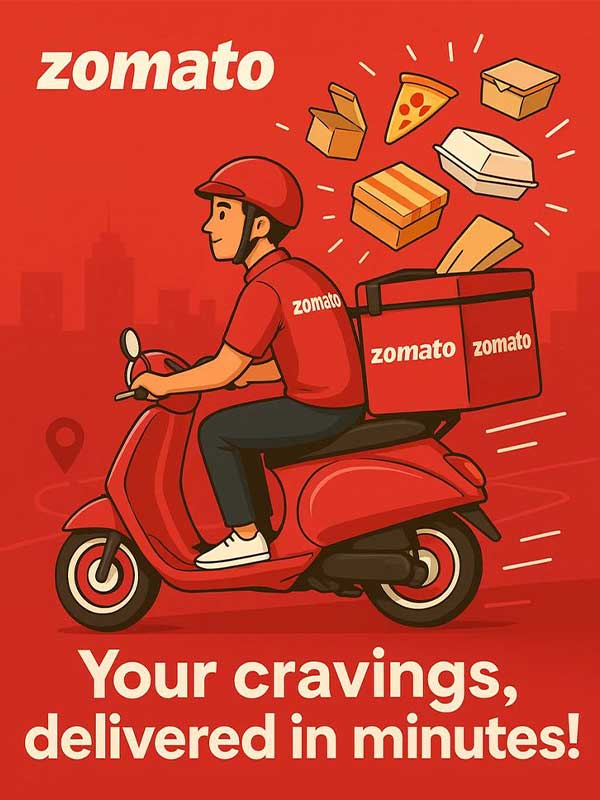
Zomato: Digital-First, Human, and Relatable Branding
Zomato represents modern branding in the digital age. Its informal tone, humour, and meme-driven communication make the brand feel human and approachable. Zomato actively engages customers through notifications, social media, and real-time marketing.
The brand listens, responds, and adapts quickly to audience behaviour. This conversational strategy strengthens emotional connection and brand recall. Zomato’s success highlights how authenticity and relatability are essential for branding in fast-paced digital ecosystems.
How Brands Building Deeper Emotional Connections with Customers
Brands create deeper connections by understanding customer emotions, values, and experiences—not by focusing solely on products or transactions. Strong brands communicate a clear identity, share authentic stories, and deliver consistent experiences across every touchpoint.
By applying thoughtful and practical branding strategies, businesses build trust and emotional engagement. When customers feel heard, valued, and aligned with a brand’s beliefs, relationships grow beyond price and convenience. These emotional connections foster loyalty, transform customers into advocates, and ensure long-term relevance in an increasingly competitive marketplace.
The Digital Transformation of Branding
The digital transformation of branding has changed how brands communicate and connect with audiences. Digital platforms allow brands to engage in real-time, personalize experiences, and build two-way conversations. Social media, data insights, and content marketing help brands stay relevant and responsive.
By using practical branding ideas, businesses can create consistent digital experiences, strengthen trust, and build meaningful relationships in an always-connected, fast-evolving digital landscape.
The Role of AI in Branding and Digital Implications
AI plays a crucial role in modern branding by enabling personalization, data-driven decisions, and real-time customer engagement. Brands use AI to analyse consumer behaviour, predict preferences, and deliver tailored content across digital platforms. Chatbots, recommendation systems, and automation improve brand experience and consistency.
By applying practical branding ideas, AI helps brands build deeper connections, enhance efficiency, and stay competitive in an increasingly digital and technology-driven marketplace.

Types of Branding

03
Brand Communication
Ensuring a clear, consistent voice across every brand touchpoint.
04
Brand Experience
Creating consistent and meaningful interactions across every brand touchpoint.
05
Brand Activation
Bringing the brand to life through meaningful and engaging experiences.
06
Corporate Brand Collaterals
Designing refined brand assets that ensure consistency and credibility.

 +91 9890181399