
Crafting Memorable Brand Experiences That Inspire Loyalty

Core Brand Identity Architecture
Brand experience begins with a clearly defined brand identity architecture that articulates purpose, vision, mission, and core values. This structured foundation guides every strategic decision and expression. When identity remains clear and aligned, it builds authenticity, strengthens differentiation, and ensures consistent perception across all brand interactions.

Brand Personality and Voice
A distinctive brand personality shapes emotional perception and establishes meaningful human connection. Clearly defined tone, language style, and character traits ensure consistent communication across every platform and touchpoint. When personality aligns with brand positioning and values, it enhances relatability, builds emotional trust, and deepens long term audience loyalty.

Visual Brand System
A cohesive visual brand system unifies logo design, typography, color psychology, imagery, and layout principles into a recognizable identity. Strategic visual consistency reinforces credibility and professionalism. When every branded element follows defined guidelines, it strengthens recall value, builds authority, and enhances overall brand equity in competitive markets.

Sensory Brand Expression
Brand experience extends beyond visuals into carefully curated sensory expressions including texture, space, packaging, and presentation aesthetics. These tangible elements influence subconscious perception and emotional memory. Thoughtful sensory branding differentiates positioning, elevates perceived value, and creates immersive, memorable impressions that resonate deeply with audiences.

Brand Values Integration
Authentic brand experience is achieved when organizational values are consistently reflected in culture, communication, and decision making. Alignment between stated principles and real actions builds credibility and trust. When stakeholders witness integrity in practice, brand perception strengthens, fostering loyalty, advocacy, and sustainable long term relationships.

Employee Brand Alignment
Employees embody the brand through everyday interactions and behavioral representation. Internal alignment with brand philosophy ensures authenticity across customer experiences. Leadership guidance, cultural clarity, and value driven training empower teams to represent the brand consistently, creating unified experiences that reinforce trust, credibility, and professional excellence.

Brand Consistency Framework
A structured brand consistency framework governs messaging standards, visual applications, tone guidelines, and usage protocols. This disciplined approach protects identity integrity across partnerships and communications. Consistency builds familiarity, strengthens recognition, and prevents dilution, ensuring the brand remains cohesive, authoritative, and strategically positioned over time.

Long Term Brand Equity Development
Brand experience contributes directly to long term brand equity, the accumulated value of trust, recognition, and perception. Strategic stewardship, consistent expression, and thoughtful evolution strengthen positioning over time. Sustained brand management enhances prestige, deepens emotional loyalty, and secures enduring relevance across changing market landscapes.
Website Branding & UX Direction
Website branding and UX direction define how users visually and functionally experience a brand online. It combines brand identity elements such as colourss, typography, and tone with user experience principles like navigation, layout, and usability. A strong UX direction ensures the website is intuitive, engaging, and aligned with brand values. When branding and UX work together, users feel clarity, trust, and comfort, leading to better engagement, longer visits, and higher conversion rates.


Digital Brand Experience
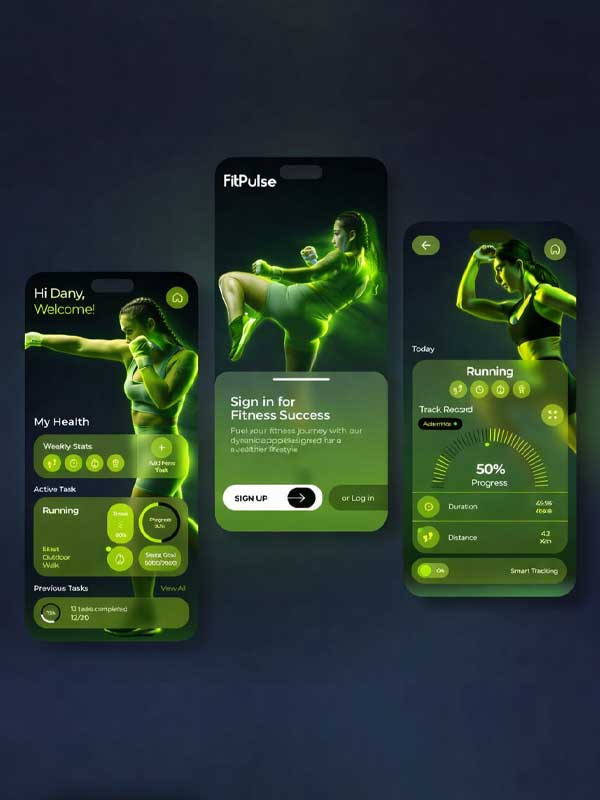
Digital brand experience includes all online interactions customers have with a brand, such as websites, apps, social media, emails, and digital campaigns. It focuses on consistency, personalization, and ease of use. A strong digital experience reflects the brand’s personality and promise while meeting customer expectations. Seamless digital experiences build trust, improve satisfaction, and create emotional connections, making the brand more memorable and competitive in today’s digital-first environment.
UI Look & Feel Guidelines
UI look and feel guidelines define the visual and interactive style of digital interfaces. They include rules for colours, typography, buttons, spacing, icons, and motion. These guidelines ensure consistency across platforms and devices. A clear UI system improves usability, accessibility, and brand recognition. When the look and feel align with the brand identity, users enjoy a smooth, familiar experience that builds confidence and reinforces brand professionalism.

Packaging Design (Brand-Driven)
Brand-driven packaging design communicates the brand’s identity, values, and promise through physical touchpoints. It includes colour, typography, materials, and structure that reflect the brand personality. Effective packaging enhances shelf visibility, creates emotional appeal, and influences purchase decisions. Consistent packaging strengthens brand recall and trust. When aligned with brand strategy, packaging becomes a powerful storytelling tool that connects the brand with customers beyond the product itself.
Event & Exhibition Branding
Event and exhibition branding bring the brand experience to life in physical spaces. It includes booth design, signage, visuals, messaging, and interactive elements that reflect the brand identity. Strong event branding creates immersive experiences that engage audiences emotionally. Consistency across visuals and communication strengthens recognition and credibility. Well-executed event branding leaves a lasting impression, helping brands connect personally with audiences and build stronger relationships.


 +91 9890181399